When an animal in your care dies in Shanghai: zoo and wildlife aftercare
A 2 lb raptor and a 1,500 lb bison need very different routes. This page covers necropsy access, capacity, disease rules and records for animals in and around Shanghai.
- From songbirds to hoofstock, sized honestly
- Records matched to your animal IDs
- Local weather and timing built into the plan
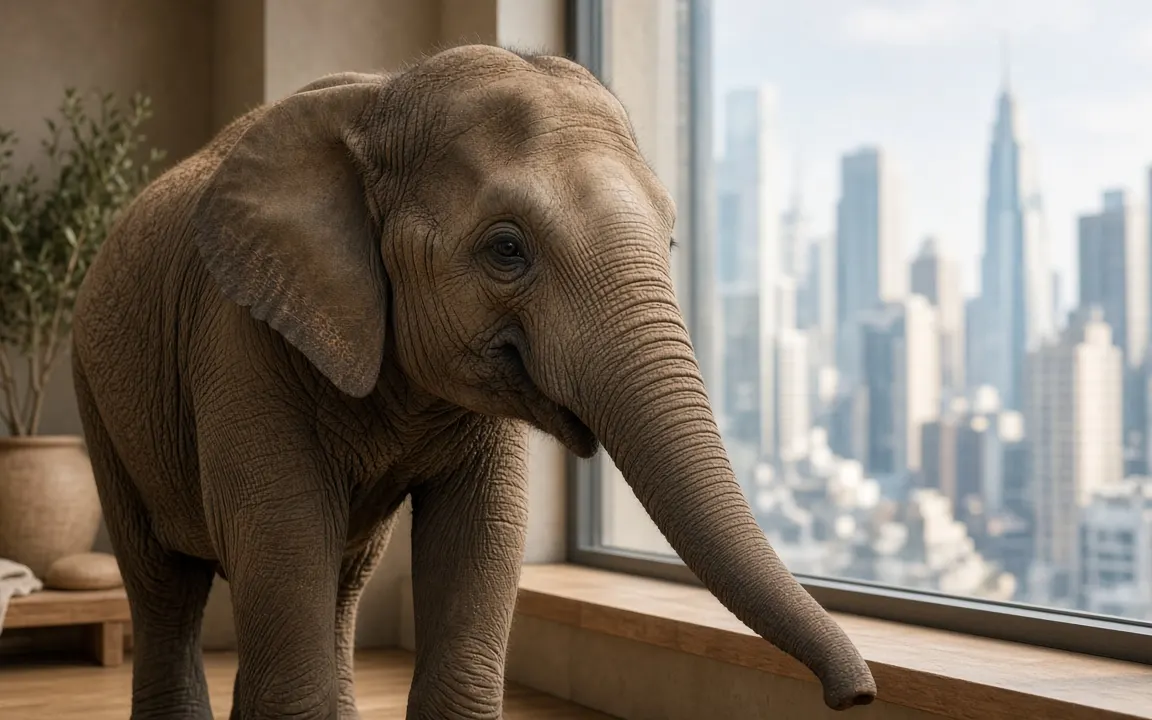
Shanghai, China
Arranging aftercare for exotic and wild animals in Shanghai
Downtown Shanghai has almost no large animals, but the outer districts and Chongming Island still have farmland, and there are equestrian clubs on the city's edge along with zoological collections. If a horse, pig, goat or cow dies on one of these sites, access is the main issue, so share the address, the gate width and whether a vehicle with lifting equipment can reach the animal.
The Yangtze delta is flat and wet, and summer heat, heavy rain and typhoons can all affect how quickly a large body can be moved. If you keep older horses or farm animals on Chongming or elsewhere on the city's fringe, it's worth asking in advance which providers serve your area and whether individual cremation is possible. Commercial livestock usually follows agricultural disposal channels.
Universities, natural history museums and veterinary schools around Shanghai are often keen to receive bodies that zoos would otherwise cremate. A skeleton, a skin or a set of tissues can go into a teaching or research collection, and some museums will collect. That changes the aftercare plan: remains may need to be kept whole and cold rather than sectioned, and ashes may only be possible from part of the animal. Settle which requests you'll honor in your written protocol, not on the phone that day.
About 24,870,000 people live in Shanghai.
50%[1]
China's cremation rate passed 50% for the first time in 2019.
$600-$1,000[2]
Cremating a 1,000-pound horse was reported to cost about $600-$1,000, depending on location and the price of propane.
3-5% of body weight[3]
Embrace notes cremated remains typically weigh about 3-5% of the pet's original body weight.
To check the figures yourself, see Extension Horses (eXtension national Cooperative Extension) and Embrace Pet Insurance.
Cremation culture in China and its effect on local capacity
In China, about 50%[1] of people are cremated. That middle-of-the-road figure is a fair signal that pet crematories exist in most towns but that capacity thins out for anything heavy. For zoo and wildlife work, treat it as background only: the deciding factors are still necropsy access, chamber size and whether a reportable disease is suspected.
The China figure comes from Wikipedia: Cremation by country (2019). It describes people, not pets, so read it as a sign of local attitudes rather than a pet statistic.
Shanghai weather, cold storage and timing
Local weather affects three things for zoo and wildlife aftercare: how fast a body needs cold storage, whether heavy equipment can reach it and whether burial is possible. Providers around Shanghai know the seasons well, so ask them what they'd plan for at this time of year.

How providers near Shanghai price large and exotic animals
In Asia, pet cremation prices rise steeply with weight. One Hong Kong provider charges HKD 6,000 for basic individual cremation of animals over 50 kg [4], which is the relevant range for many zoo and sanctuary species. For larger animals, institutions usually work with government or university disposal routes.
For a line-by-line price table, see the China overview; for what's included in each option, see our services.

Free tool
Cremation cost calculator
Estimate a realistic price range for your pet's size, location and the type of cremation.
Legal limits worth checking in China
For zoo and wildlife animals, rules come from several directions at once: disposal deadlines written for livestock, disease rules that follow outbreaks rather than borders, wildlife permits and, for accredited institutions, their own standards. The notes below cover what usually applies in China. Species under federal or international protection add their own conditions, which your compliance lead should own.
The first hours, in order
- Activate the written protocol and put one person in charge of coordinating the day.
- Confirm with the pathologist the time and place of the necropsy, and the way the remains get handed back once it's done.
- Move the body out of public view along the pre-agreed route, before the gates open if at all possible.
- Record each hand-off from enclosure to cooler to lab to crematory, with times and signatures.
- Brief the communications lead on what's safe to say immediately and what waits for results.
- Plan the staff gathering and ask the keepers how they'd like the animal remembered.
- Review the case afterwards and update the protocol while it's fresh.
Honoring an animal in Shanghai
Many large animals near Shanghai are kept by riding clubs, hobby farms, sanctuaries and educational farms rather than commercial operations. The owner and the person arranging aftercare may be different, so agree who decides before the day comes. For a family animal, ask whether ashes can be returned and whether a hoof print, lock of mane or other keepsake can be saved.
For a plain comparison of the choices, open services, run the numbers with the free planning tools, or compare your instinct with the poll results, browse in-depth guides or recent articles. Every other community in China, and all of China, is listed too.

Reader polls
What would you choose?
Vote anonymously and see how other readers answered. The results are live counts from people who visit this site, so they show real opinions, not a scientific sample.
How does your organization arrange aftercare today?
Tap an answer to vote and see how others answered. Anonymous.
For your largest animals, what's the hardest part of aftercare?
Tap an answer to vote and see how others answered. Anonymous.
If you had to decide today, which aftercare would you choose for your pet?
Tap an answer to vote and see how others answered. Anonymous.

Free tools to help you plan
Cremation cost calculator
Estimate a realistic price range for your pet's size, location and the type of cremation.

Livestock mortality planner
Plan disposal capacity and costs for farm losses, from one animal to a herd.

Ashes weight estimator
See roughly how much ash to expect back, by species and body weight.
Questions people ask
Is cremation common in China?
For people, yes: about 50%[1] of China deaths end in cremation, according to Wikipedia: Cremation by country (2019). Nobody publishes the same figure for pets, but in our experience pet choices in Shanghai follow the human pattern closely, so cremation is the default most families here start from.
Who handles a death after hours at a Shanghai zoo or aquarium?
Whoever your protocol names. In a metro like Shanghai, pet crematories and emergency services are usually reachable at night, but large-animal providers and labs often aren't. Most institutions hold the body in a cooler or refrigerated trailer overnight and move it in the morning, before visitors arrive.
How do we move a large animal out of a public zoo in Shanghai?
Plan it before you need it. Most teams use a crane or telehandler, a flatbed or trailer with a winch and a route that avoids visitor paths, usually early in the morning. Record gate widths, load limits and turning space. Screening panels help if the move can't wait until the site is closed.
Can we be present for the cremation?
Some providers allow keepers or staff to attend the start of a cremation, and for a long-term resident it can mean a lot. It usually needs booking ahead and may cost more. Large-animal providers near Shanghai vary widely in what they allow, so ask on the first call rather than assuming.
Is water cremation an option for zoo and wildlife animals?
Sometimes. Alkaline hydrolysis, also called aquamation or tissue digestion, is offered by some pet providers and used by some university labs for large animals. At one university lab it cost roughly a third of incineration per pound [6]. Lab digesters usually don't return remains, while pet aquamation services return bone ash much like cremation. Ask which kind you're being offered.
Where can a wildlife rehabilitator in Shanghai send animals that die in care?
Most rehabbers use a local vet's regular crematory pickup for routine cases, often communal cremation. Suspected avian influenza, rabies-vector species and protected animals may need testing or approved disposal first, so check with your state wildlife agency. For long-term education animals, ask for individual cremation and a certificate matching your records.


Sources and our estimates
- [1] China's cremation rate passed 50% for the first time in 2019. Wikipedia: Cremation by country, 2019.
- [2] Cremating a 1,000-pound horse was reported to cost about $600-$1,000, depending on location and the price of propane. Extension Horses (eXtension national Cooperative Extension) - Horse Disposal Options, 2019, 2019.
- [3] Embrace notes cremated remains typically weigh about 3-5% of the pet's original body weight. Embrace Pet Insurance - Bury or Cremate Your Dog? Costs, Pros & Cons, 2025.
- [4] The same Hong Kong provider charges HKD 6,000 for basic individual cremation of pets over 50 kg, and up to HKD 10,900 for its premium package. PETMENTO (Hong Kong pet funeral provider) - Pet funeral price list, 2026.
- [5] A 1,100 lb horse would be expected to return roughly 38.5 lb of cremated remains (plausible range 33-55 lb). Our estimate: 1,100 lb x 3.5% (range 3%-5%). How we calculate.
- [6] A biodigester at the Wisconsin Veterinary Diagnostic Laboratory cost $900,000 and processes carcasses for about 25 cents per pound, versus about 75 cents per pound for incinerators. Extension Horses (eXtension national Cooperative Extension) - Horse Disposal Options, 2019, 2019.
Get zoo and wildlife aftercare options for Shanghai
Tell us what you need and where you are. We'll reply by email with clear options and prices so you can decide in your own time.