Zoo and wildlife cremation in Beijing
Aftercare for an animal in your care is part pathology, part logistics and part grief. Here's the practical picture for Beijing, written for the people who have to arrange it.
- Necropsy and cold storage handled in the right order
- Capacity checked against your animal's weight
- Written custody terms before anything moves
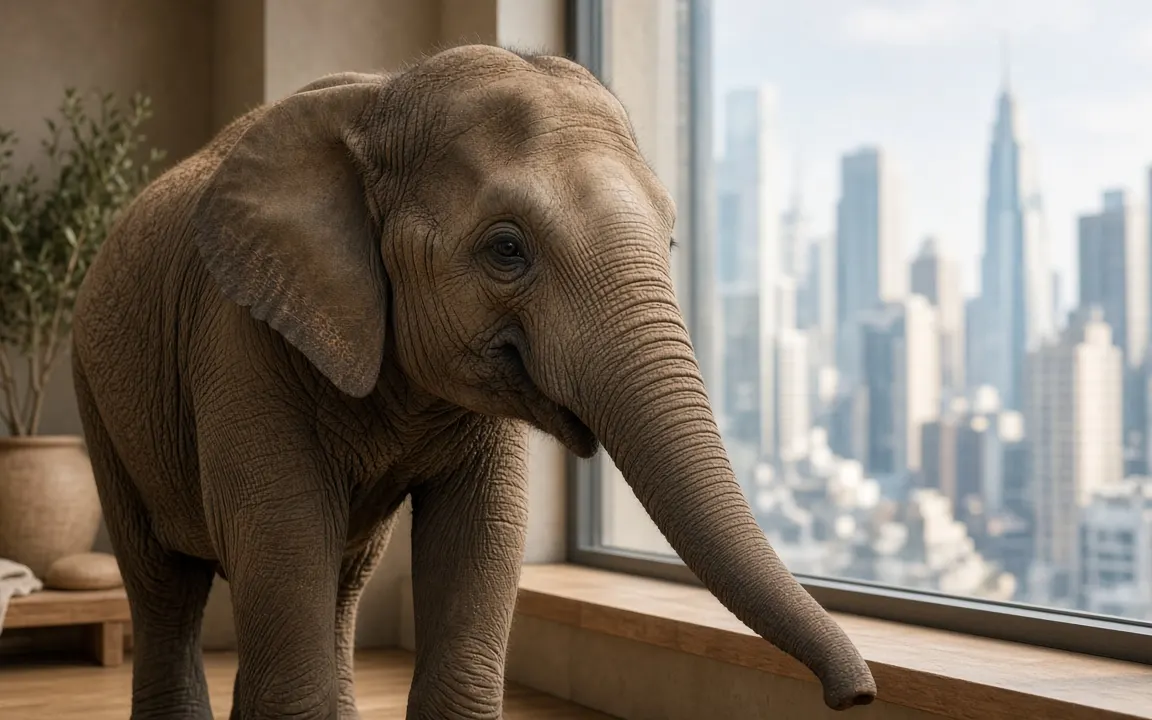
Beijing, China
The local picture for institutions and keepers in Beijing
Central Beijing has almost no large animals, but the outer districts to the north and west, toward the mountains and the Great Wall, have farms, orchards and riding clubs, and there are equestrian clubs in the suburban districts. If a horse or farm animal dies there, access is the first question: whether a vehicle can reach the animal and whether a winch or lifting equipment is needed. Include that when you request options.
Around Beijing, many large animals are kept by riding clubs, suburban hobby farms, animal rescues and zoological collections rather than working farms. That means the owner and the person arranging aftercare may not be the same, so agree who decides before anything happens. For a family animal, ask whether ashes can be returned, and whether a memorial or keepsake can be made.
A city the size of Beijing usually has more aftercare choice than any single institution needs, but most of it is built for dogs and cats. Pet crematories are plentiful; chambers that can take a 600 lb bear or a zebra are not, and they're often outside the city limits where zoning allows bigger equipment. The practical question for a zoo, aquarium or sanctuary here is rarely whether help exists. It's which provider matches this species, this weight and this paperwork, and how fast they can respond after hours.
Beijing's population is around 21,540,000.
50%[1]
China's cremation rate passed 50% for the first time in 2019.
$600-$1,000[2]
Cremating a 1,000-pound horse was reported to cost about $600-$1,000, depending on location and the price of propane.
3-5% of body weight[3]
Embrace notes cremated remains typically weigh about 3-5% of the pet's original body weight.
Where these figures come from: Embrace Pet Insurance and Extension Horses (eXtension national Cooperative Extension).
What local funeral customs in China mean for animal aftercare
About 50%[1] of people who die in China are cremated, so cremation is familiar without being universal. For public-facing institutions, that means a memorial for a well-known animal can take many forms, from a plaque over buried remains to a planting with a portion of ashes. Ask your keepers and your visitors what feels right; local custom gives you room either way.
Wikipedia: Cremation by country (2019) is where the China figure comes from. It counts people; we use it because attitudes to cremating a pet in Beijing tend to follow attitudes to cremation generally.
Heat, cold and necropsy timing in Beijing
Whatever the local climate, cold storage fails in the same ways: a power cut, a door left ajar or a freezer too full to close. A max-min thermometer in each unit, a weekly check on a log sheet and a backup site you've already asked about cover most of it. They cost little and protect the necropsy cases that matter most.

Price benchmarks for a quote in Beijing
Around Beijing, individual cremation with a short farewell is common for household pets, and the same providers often take birds, reptiles and small mammals from collections. Ask exactly what's included, especially whether ashes are returned, and what the price is for your animal's weight.
The China price table breaks costs down by size; our services page explains what sits behind each line.

Free tool
Cremation cost calculator
Estimate a realistic price range for your pet's size, location and the type of cremation.
Permits, disease reporting and disposal law in China
Cremation itself rarely needs a permit. What gets regulated is everything around it: how fast a dead animal must be disposed of, whether it can be buried and where, what happens during a disease outbreak and what records protected species need. Here's the general picture for China; your state veterinarian or agriculture department has the final word.
The first hours, in order
- Activate the written protocol and name one coordinator for the day.
- Confirm with the pathologist the time and place of the necropsy, and the way the remains get handed back once it's done.
- Move the body out of public view along the pre-agreed route, before the gates open if at all possible.
- Record each hand-off from enclosure to cooler to lab to crematory, with times and signatures.
- Brief the communications lead with what can be said now and what waits for results.
- Plan the staff gathering and let the keepers decide how they want the animal remembered.
- Review the case afterwards and revise the protocol while everything's still clear.
Memorials, keepsakes and staff grief
Beijing's hot summers mean a large body must be moved quickly, while winter cold on the northern hills can make farm tracks icy. If you care for older horses, goats, cattle or sanctuary animals on the city's edge, ask in advance which providers handle large animals and whether individual cremation is possible. Commercial livestock usually goes through agricultural disposal channels instead.
For a plain comparison of the choices, open services, or see how other readers answered in our polls, there are guides for the big decisions and articles for the details, use the free tools before you ring anyone. the full list for China and for China is a click away.

Reader polls
What would you choose?
Vote anonymously and see how other readers answered. The results are live counts from people who visit this site, so they show real opinions, not a scientific sample.
For your largest animals, what's the hardest part of aftercare?
Tap an answer to vote and see how others answered. Anonymous.
After a death in your collection, how often is there a necropsy before aftercare?
Tap an answer to vote and see how others answered. Anonymous.
If you had to decide today, which aftercare would you choose for your pet?
Tap an answer to vote and see how others answered. Anonymous.

Free tools to help you plan
Cremation cost calculator
Estimate a realistic price range for your pet's size, location and the type of cremation.

Livestock mortality planner
Plan disposal capacity and costs for farm losses, from one animal to a herd.

Ashes weight estimator
See roughly how much ash to expect back, by species and body weight.
Questions people ask
How do China attitudes to cremation compare?
Wikipedia: Cremation by country (2019) puts the China human cremation rate at about 50%[1]. We show it on the Beijing page because pet aftercare choices tend to track it: where cremation is normal for people, communal and private pet cremation are both easy to find.
Can we be present for the cremation?
Some providers allow keepers or staff to attend the start of a cremation, and for a long-term resident it can mean a lot. It usually needs booking ahead and may cost more. Large-animal providers near Beijing vary widely in what they allow, so ask on the first call rather than assuming.
How do you cremate an animal as large as a giraffe or elephant?
Rarely intact. Very few chambers can take an animal much over 1,500 lb, so large cases are usually sectioned after necropsy and cremated in several loads, sent to a lab digester, rendered or buried on grounds where the law allows. If ashes matter, ask how every load will be tracked and combined, and get that promise in writing.
What should we ask a cremation provider in Beijing before signing?
Ask about chamber size and weight limits, whether they can take the animal intact, after-hours response, how animals are identified from pickup to certificate, what the paperwork packet contains and how they price by weight. Our questions institutions should ask vendors goes further.
How do we move a large animal out of a public zoo in Beijing?
Plan it before you need it. Most teams use a crane or telehandler, a flatbed or trailer with a winch and a route that avoids visitor paths, usually early in the morning. Record gate widths, load limits and turning space. Screening panels help if the move can't wait until the site is closed.
Is water cremation an option for zoo and wildlife animals?
Sometimes. Alkaline hydrolysis, also called aquamation or tissue digestion, is offered by some pet providers and used by some university labs for large animals. At one university lab it cost roughly a third of incineration per pound [5]. Lab digesters usually don't return remains, while pet aquamation services return bone ash much like cremation. Ask which kind you're being offered.


Sources and our estimates
- [1] China's cremation rate passed 50% for the first time in 2019. Wikipedia: Cremation by country, 2019.
- [2] Cremating a 1,000-pound horse was reported to cost about $600-$1,000, depending on location and the price of propane. Extension Horses (eXtension national Cooperative Extension) - Horse Disposal Options, 2019, 2019.
- [3] Embrace notes cremated remains typically weigh about 3-5% of the pet's original body weight. Embrace Pet Insurance - Bury or Cremate Your Dog? Costs, Pros & Cons, 2025.
- [4] Midpoint horse cremation cost works out to about $0.80 per pound of body weight, versus about $0.14 per pound for rendering pickup and $0.23 per pound for on-farm composting. Our estimate: cremation $800 / 1,000 lb; rendering $137.50 / 1,000 lb; composting $275 / 1,200 lb. How we calculate.
- [5] A biodigester at the Wisconsin Veterinary Diagnostic Laboratory cost $900,000 and processes carcasses for about 25 cents per pound, versus about 75 cents per pound for incinerators. Extension Horses (eXtension national Cooperative Extension) - Horse Disposal Options, 2019, 2019.
Plan aftercare for an animal in your care
Tell us what you need and where you are. We'll reply by email with clear options and prices so you can decide in your own time.