Cremation and necropsy logistics for exotic and wild animals in Laval
Most aftercare providers in Laval are set up for dogs and cats. We help zoo vets, curators, rehabbers and private keepers find the ones that can handle their species, size and paperwork.
- Plain answers on lab disposal vs cremation
- Help with memorials for animals the public loved
- No pressure, just written options by email
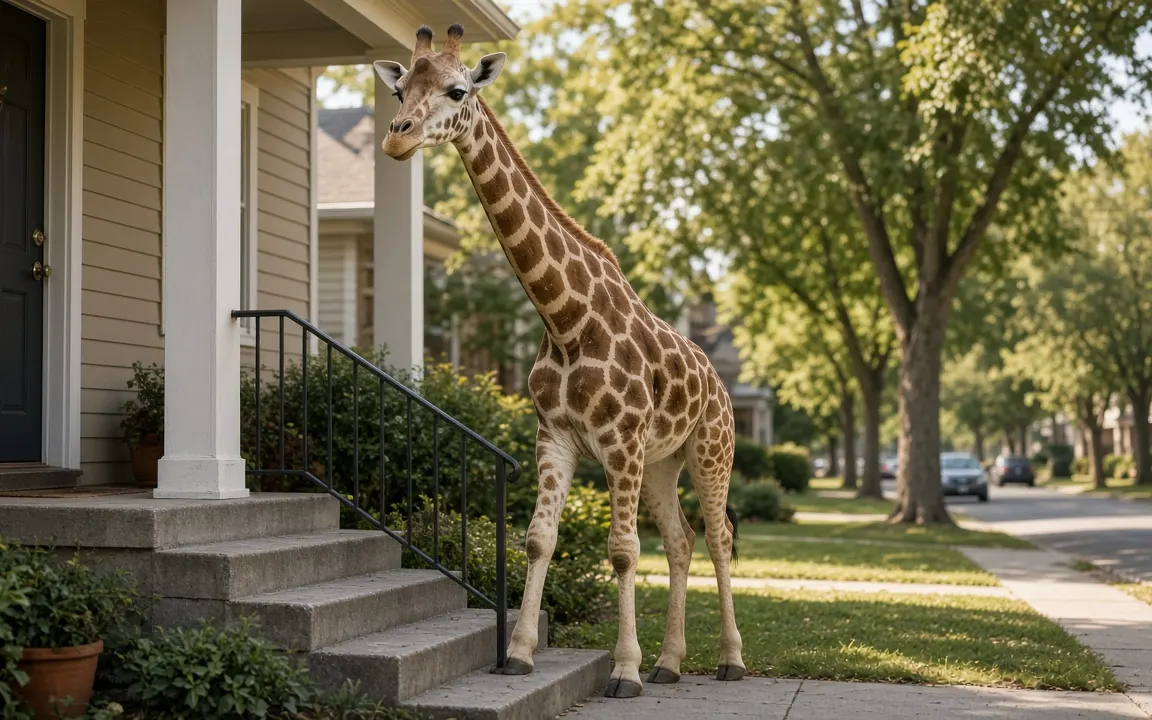
Laval, Quebec
Arranging aftercare for exotic and wild animals in Laval
Families near Laval who lose a horse or farm animal weigh a private cremation, where the ashes come back to them, against a shared cremation or other disposal methods allowed under provincial rules. Cremating a horse needs a large specialised unit, and not every region has one, so ask which areas each provider covers. A written quote covering collection, cremation and return of ashes helps.
Quebec winters complicate large-animal aftercare. Frozen ground stops burial for months, farm lanes fill with snow, and in spring, thawing fields can be too soft for a heavy truck. If you board or keep an older horse or other large animal, think ahead about where a vehicle could reach it on firm ground, and ask providers what they use to lift and move an animal that size.
Necropsy access from Laval usually means a state or university diagnostic lab, which may be some distance away. Before you need it, find out which lab serves your area, whether they accept intact large animals or only samples, how they want submissions packed and chilled and whether they'll release remains to a crematory afterwards. If the answer to that last question is no, and ashes matter to your team, you may need a local vet to take samples and send the body directly to cremation.
Laval is home to about 438,000 people, the 3rd-largest of the 3 Quebec communities we cover. Montreal, roughly 10 miles off, is the closest larger centre, and a share of the providers who cover Laval run from there.
The closest communities we cover are Montreal (10 miles, a larger centre), Ottawa (97 miles, a larger centre) and Quebec City (146 miles). Providers serving those towns often travel to Laval too, so it can be worth asking them for a quote.
81.1%[1]
CANA projects the Canadian cremation rate will reach 81.1% by 2030.
$600-$1,000[2]
Cremating a 1,000-pound horse was reported to cost about $600-$1,000, depending on location and the price of propane.
3-5% of body weight[3]
Embrace notes cremated remains typically weigh about 3-5% of the pet's original body weight.
We built the this numbers from Embrace Pet Insurance and Extension Horses (eXtension national Cooperative Extension), and both are worth a look if you want the detail.
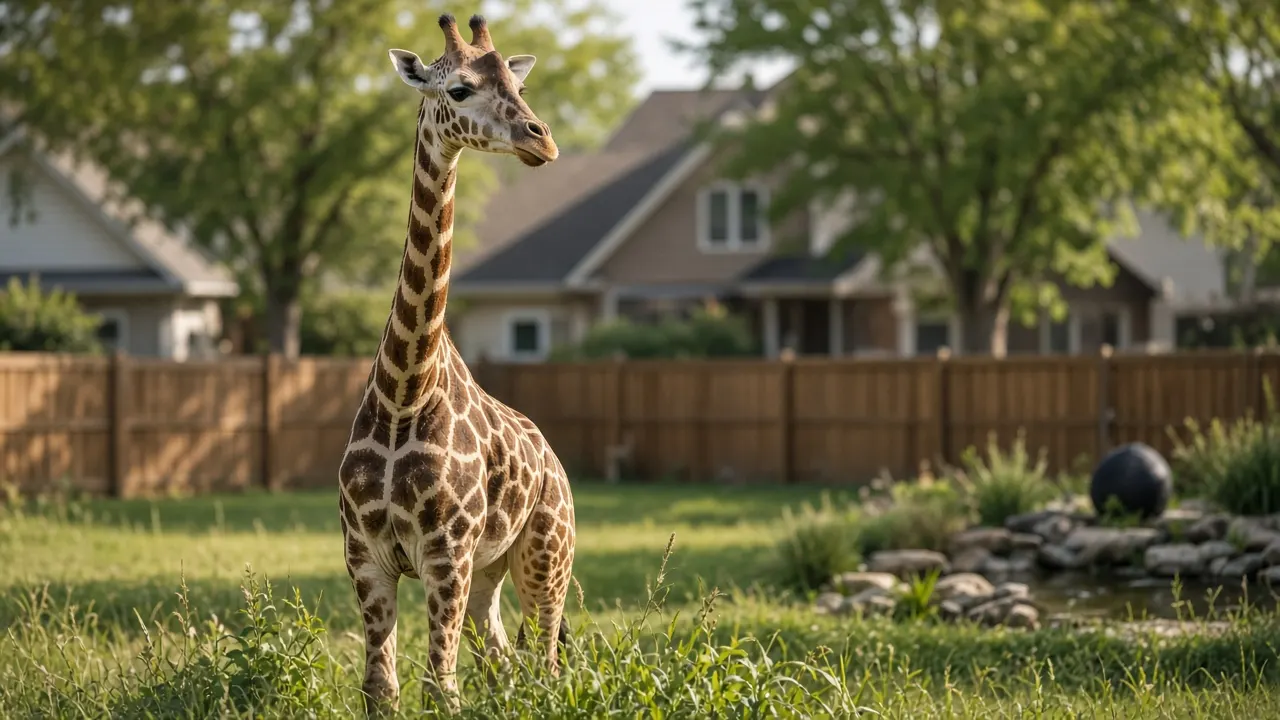
Cremation culture in Canada and its effect on local capacity
Cremation is the norm in Canada: about 81.1%[1] of people who die there are cremated. That familiarity shows up in the pet trade too, with plenty of crematories for small and mid-size animals and staff who are used to confirming individual cremation in writing. It says nothing, though, about large-animal capacity. Even where cremation is this common, chambers big enough for hoofstock or large carnivores are few, so always ask about weight limits directly.
The Canada figure comes from CANA Industry Statistical Information (2030). It describes people, not pets, so read it as a sign of local attitudes rather than a pet statistic.
When the weather in Laval sets the clock
Whatever the local climate, cold storage fails in the same ways: a power cut, a door left ajar or a freezer too full to close. A max-min thermometer in each unit, a weekly check on a log sheet and a backup site you've already asked about cover most of it. They cost little and protect the necropsy cases that matter most.

How providers near Laval price large and exotic animals
Distance is the hidden cost in much of Canada. Outside major centers, a large-animal provider may be several hours away, and winter roads can add a day. Ask for mileage to be itemized, and check whether deer or elk remains can travel at all: chronic wasting disease rules in parts of Canada limit movement of whole carcasses [4].
For a line-by-line price table, see the Quebec overview; for what's included in each option, see our services.

Free tool
Cremation cost calculator
Estimate a realistic price range for your pet's size, location and the type of cremation.
Permits, disease reporting and disposal law in Quebec
Cremation itself rarely needs a permit. What gets regulated is everything around it: how fast a dead animal must be disposed of, whether it can be buried and where, what happens during a disease outbreak and what records protected species need. Here's the general picture for Quebec; your state veterinarian or agriculture department has the final word.
In Canada, provincial rules and the Canadian Food Inspection Agency shape disposal of large and diseased animals, and provincial or university diagnostic labs handle much of the necropsy work for zoos and rehabbers. Large-animal cremation capacity is concentrated near major centers and thins out quickly further north. Winter adds frozen ground and difficult access, so a cold-weather plan matters.
For Quebec's rules on burying a pet at home or scattering ashes, see the Quebec guide. Local rules in Laval can be stricter than the state's, especially in homeowners' associations and rentals.
What to do, in order, after a loss in your care
- Activate the written protocol and name one coordinator for the day.
- Confirm with the pathologist where and when the necropsy will happen, and how the remains will be released afterwards.
- Move the body out of public view by the agreed route, ideally before opening hours.
- Record each hand-off as it happens: enclosure, cooler, lab, crematory, each with a time and a signature.
- Brief the communications lead on what's safe to say immediately and what waits for results.
- Plan the staff gathering and let the keepers decide how they want the animal remembered.
- Review the case afterwards and revise the protocol while everything's still clear.
Ways Laval teams mark the loss of an animal
Laval is mostly suburban, but its eastern end still has farmland and market gardens, and the countryside just north, in the Laurentides and Lanaudière regions, has horse farms, hobby farms and livestock operations. For a horse, goat, sheep or other large animal, collection is organised around where the animal is kept, not your home address, so have the farm or stable details ready.
For a plain comparison of the choices, open services, or see what other families chose in the poll results, browse in-depth guides or recent articles, try the free planning tools. You can also browse every city in Canada. Nearby, we also cover Montreal and Quebec City, and every city in Quebec.

Reader polls
What would you choose?
Vote anonymously and see how other readers answered. The results are live counts from people who visit this site, so they show real opinions, not a scientific sample.
How does your organization arrange aftercare today?
Tap an answer to vote and see how others answered. Anonymous.
How do you keep chain-of-custody records for remains?
Tap an answer to vote and see how others answered. Anonymous.
If you had to decide today, which aftercare would you choose for your pet?
Tap an answer to vote and see how others answered. Anonymous.

Free tools to help you plan
Cremation cost calculator
Estimate a realistic price range for your pet's size, location and the type of cremation.

Livestock mortality planner
Plan disposal capacity and costs for farm losses, from one animal to a herd.

Ashes weight estimator
See roughly how much ash to expect back, by species and body weight.
Questions people ask
Why does the Laval page quote a human cremation rate?
Because it is the best local signal we have. CANA Industry Statistical Information (2030) reports about 81.1%[1] of Canada residents are cremated. There is no official pet equivalent, and inventing one would be worse than quoting a real, clearly labelled number.
Where are the providers that serve Laval actually based?
Some are local, and some run from Montreal, about 10 miles away. That is normal for a city this size. What matters is the collection time they quote for Laval and whether the drive is priced into the total, so ask both up front.
Can a provider from a neighbouring town collect from Laval?
Usually yes. Montreal is about 10 miles away, Ottawa is about 97 miles away and Quebec City is about 146 miles away, all inside a normal collection radius. Get the mileage written into the quote so there is no surprise on the day.
Do we need a standing contract with a cremation provider?
You don't have to have one, but it helps a lot. A standing arrangement settles capacity limits, after-hours response, weight-band pricing, invoicing and the custody paperwork before anyone is under pressure. Many institutions keep two: one local provider for small and mid-size animals and one with genuine large-animal capacity.
Can several small animals be cremated together and still be tracked?
Yes, as long as you log them individually before they go. Communal cremation means the ashes are mixed and not returned, but your records can still list every animal by intake number, species, date and route. Ask the provider for a manifest that matches your list, and flag any animal that needs individual cremation so it's kept apart.
How much ash comes back from a large zoo animal?
Cremated remains typically weigh about 3-5% of body weight[3], mostly bone. A 400 lb big cat would return roughly 12 to 20 lb, and a 1,100 lb animal around 33 to 55 lb, far more than a standard urn holds. Many teams keep a portion for a memorial and scatter or bury the rest.


Sources and our estimates
- [1] CANA projects the Canadian cremation rate will reach 81.1% by 2030. CANA Industry Statistical Information, 2030.
- [2] Cremating a 1,000-pound horse was reported to cost about $600-$1,000, depending on location and the price of propane. Extension Horses (eXtension national Cooperative Extension) - Horse Disposal Options, 2019, 2019.
- [3] Embrace notes cremated remains typically weigh about 3-5% of the pet's original body weight. Embrace Pet Insurance - Bury or Cremate Your Dog? Costs, Pros & Cons, 2025.
- [4] To slow chronic wasting disease (CWD), many states ban importing whole deer and elk carcasses from CWD areas; typically only deboned meat, quarters without spine or head, hides and cleaned skull plates may cross state lines. CWD Alliance (cwd-info.org) - Carcass Transportation Regulations in the United States and Canada, 2026.
- [5] A 1,100 lb horse uses about 73% of a 1,500 lb animal incinerator load, so large-animal units generally cremate one horse at a time. Our estimate: 1,100 / 1,500 x 100. How we calculate.
Request written aftercare options by email
Tell us what you need and where you are. We'll reply by email with clear options and prices so you can decide in your own time.