Zoo & Wildlife Cremation in Sao Paulo
Whether you run a collection, a rehab center or a sanctuary in Sao Paulo, the order is the same: vet or pathologist first, cold storage second, cremation third. Here's how that works locally and what it costs.
- From songbirds to hoofstock, sized honestly
- Records matched to your animal IDs
- Local weather and timing built into the plan
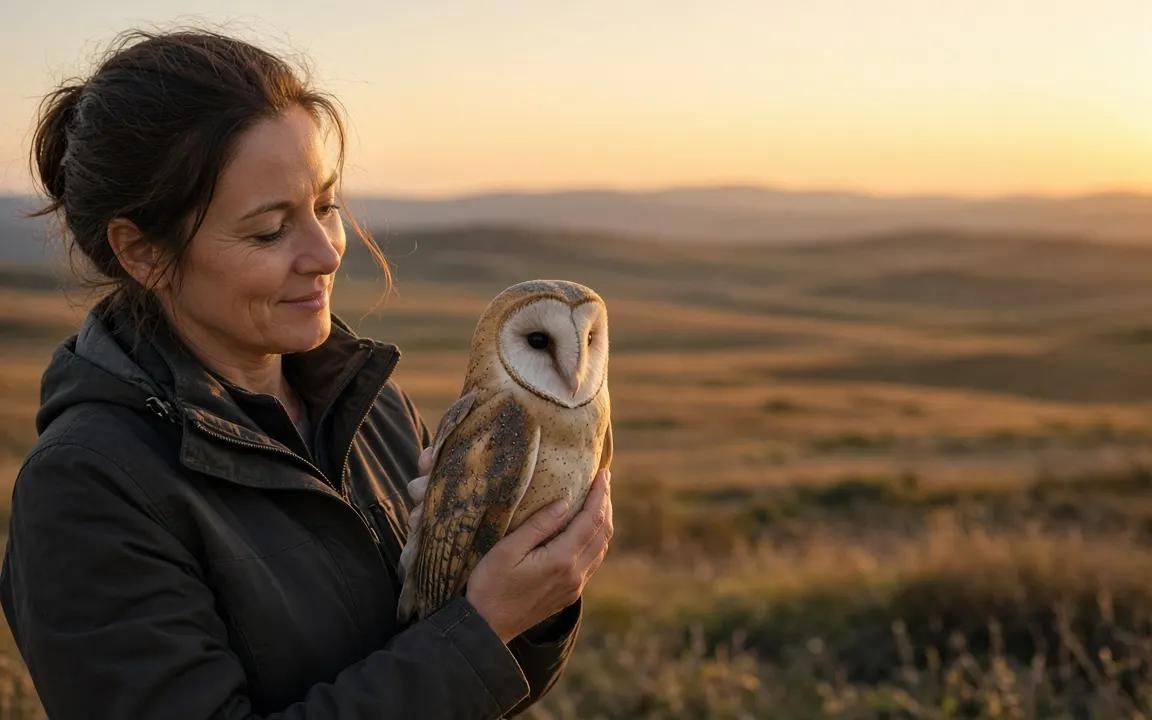
Sao Paulo, Brazil
Zoo & Wildlife Cremation in Sao Paulo: what to know
Zoo and wildlife aftercare across Sao Paulo depends less on the city and more on three things: whether a necropsy is needed, how heavy the animal is and whether any disease rules apply. Pet crematories near Sao Paulo handle birds, reptiles and small mammals easily. Hoofstock, large carnivores and megafauna need a specialist provider, a diagnostic lab or a planned burial, and those are thinner on the ground.
Whether you're in one of the larger centers like Sao Paulo or a rural county, the questions to ask any provider in Sao Paulo are the same: what's your weight limit, can you take the animal intact, how is it identified from pickup to certificate, what's the total in writing and who answers the phone after hours?
We cover 1 community in Sao Paulo, from Sao Paulo.

Every Sao Paulo community we cover
Choose your city or town for local prices, weather and timing, and rules. 1 communities in Sao Paulo, largest first below.
What the human cremation rate in Sao Paulo does and doesn't tell you
Cremation of people runs at about 9%[1] in Sao Paulo, and the closest crematory able to take a big or unusual animal may sit across a state, provincial or regional border. That's usually legal, but disease rules can apply to remains that travel, especially for deer, elk and birds. Check with your vet or wildlife agency before booking a provider on the other side.
Source for the Sao Paulo figure: Exame, citing Sincep (2024). It describes human funerals and is here as context, not as a count of pets.
What zoo and wildlife aftercare costs around Sao Paulo
Where municipal disposal exists, it's often cheap but returns nothing. In Dubai, for example, the city's own route cremates animals together and hands nothing back [2], so individual cremation is a private, paid service. Collections and keepers in Sao Paulo should ask for both options in writing and decide case by case.
Zoo and wildlife aftercare in and around Sao Paulo depends heavily on local rules and on the few providers that can take larger animals. Prices depend on weight and whether ashes are returned. Ask for a written quote in local currency that lists collection, cremation and the certificate.
| Place | Figure | Note |
|---|---|---|
| UAE (up to 30 kg) | AED 2,300 to 2,700 | Separate (individual) cremation |
| United States (1,000 lb animal) | $600-$1,000[3] | Equine benchmark |
| United States (lab digestion) | about $0.25 per lb | No ashes unless arranged |

Free tool
Cremation cost calculator
Estimate a realistic price range for your pet's size, location and the type of cremation.
Disposal, disease and permit rules in Sao Paulo
Public health officials can have a say too. When a rabies-vector species dies after contact with people, or a zoonotic disease is suspected, the local health department may need the body before any aftercare happens. Wildlife and agriculture rules for Sao Paulo are summarized below; add your health department's number to your protocol alongside them.
From enclosure to certificate, step by step
- Stop all animal movements into or out of the affected area the moment you notice more than one or two deaths.
- Call your vet and lay out the pattern: which species, how many, over what period and what signs showed first.
- Isolate and chill the bodies one by one, each in its own labeled bag, with a note recording where each was found.
- Let the vet choose which animals go for necropsy; often a few representative cases are enough.
- Report to the animal health authority if the vet suspects anything notifiable.
- Use the approved disposal route on the remaining animals, and record each one on its own even when they're cremated as a group.
Ways Sao Paulo teams mark the loss of an animal
Private keepers of exotic animals sometimes feel their grief isn't taken seriously. It is here. A parrot that lived for decades or a tortoise older than your children leaves a real gap. An engraved urn, a feather or scale kept in a frame or a planting in the garden are all good ways to keep them close.
The services page compares what each option includes, the planning tools turn your animal's details into figures, and the poll results show what other families chose. All locations lists every region we cover.

Reader polls
What would you choose?
Vote anonymously and see how other readers answered. The results are live counts from people who visit this site, so they show real opinions, not a scientific sample.
When a long-time animal dies, what support do the keepers get?
Tap an answer to vote and see how others answered. Anonymous.
After a death in your collection, how often is there a necropsy before aftercare?
Tap an answer to vote and see how others answered. Anonymous.
If you had to decide today, which aftercare would you choose for your pet?
Tap an answer to vote and see how others answered. Anonymous.

Free tools to help you plan
Cremation cost calculator
Estimate a realistic price range for your pet's size, location and the type of cremation.

Livestock mortality planner
Plan disposal capacity and costs for farm losses, from one animal to a herd.

Ashes weight estimator
See roughly how much ash to expect back, by species and body weight.
Questions people ask
Is cremation common in Sao Paulo?
For people, about 9%[1] of deaths in Sao Paulo end in cremation, which is a fair signal of how many crematories exist for small animals. It says little about large-animal capacity, so always ask a provider about weight limits directly.
What's the largest animal a crematory in Sao Paulo can take?
Large-animal incinerators are commonly rated for up to about a 1,500 lb load[5] (one manufacturer's rating). Heavier animals are usually divided and run through more than one load, or go to a lab or a legal burial instead. Ask each provider for its real limit for an intact animal.
How do winters in Sao Paulo affect aftercare?
In the colder parts of Sao Paulo, frozen ground can rule out burial for months and snow can block heavy vehicles. In Sao Paulo, one of the coldest places we cover, winter lows average about °F. Keep a cremation or lab fallback and don't freeze a body before necropsy unless the vet agrees.
Is there a large-animal crematory in Sao Paulo?
Often there's at least one equine-size provider, but not always close to you, and very few chambers anywhere can take an intact animal much over 1,500 lb. Send us the species and weight and we'll tell you what's realistically within reach, including labs and alternatives.
How much does zoo and wildlife cremation cost in Sao Paulo?
Small animals are priced like household pets, rising with weight. Larger animals are quoted per job based on weight, access, distance and after-hours work. Lab routes such as tissue digestion can cost less per pound but don't return ashes unless arranged. Ask every provider for an itemized written total.
How is zoo animal aftercare handled in Sao Paulo?
Smaller species usually go to pet crematoria, and larger or diseased animals follow national animal health rules through approved collectors, labs or government routes. The attending vet is the best first call, because they'll know which providers accept exotic species locally.

Sources and our estimates
- [1] Only about 8-9% of people who die in Brazil are cremated, according to Brazil's private cemetery and crematoria union (Sincep). Exame, citing Sincep, 2024.
- [2] Dubai Municipality states it is not permissible to bury animals in the UAE; municipal disposal is mass cremation with no ashes returned. Khaleej Times - UAE: What to do if your pet dies; process, costs, law explained (Aug 2024, upd. Oct 2024), 2024.
- [3] Cremating a 1,000-pound horse was reported to cost about $600-$1,000, depending on location and the price of propane. Extension Horses (eXtension national Cooperative Extension) - Horse Disposal Options, 2019, 2019.
- [4] At an average rate of 250 lb per hour, the burn phase for a 1,100 lb horse would take at least about 4.4 hours, not counting preheating and cool-down. Our estimate: 1,100 lb / 250 lb per hour. How we calculate.
- [5] An animal incinerator sized for agricultural and animal-control use holds up to 1,500 lb per load with a maximum burn rate of 250 lb per hour (manufacturer specification). B&L Cremation Systems (manufacturer) - BLI-1500 Animal Incinerator specifications.
Plan aftercare for an animal in your care
Tell us what you need and where you are. We'll reply by email with clear options and prices so you can decide in your own time.