When an animal in your care dies in Vienna: zoo and wildlife aftercare
Aftercare for an animal in your care is part pathology, part logistics and part grief. Here's the practical picture for Vienna, written for the people who have to arrange it.
- Standing arrangements with weight-band pricing
- Heavy-lift and transport planned in advance
- Ashes returned when your team wants them
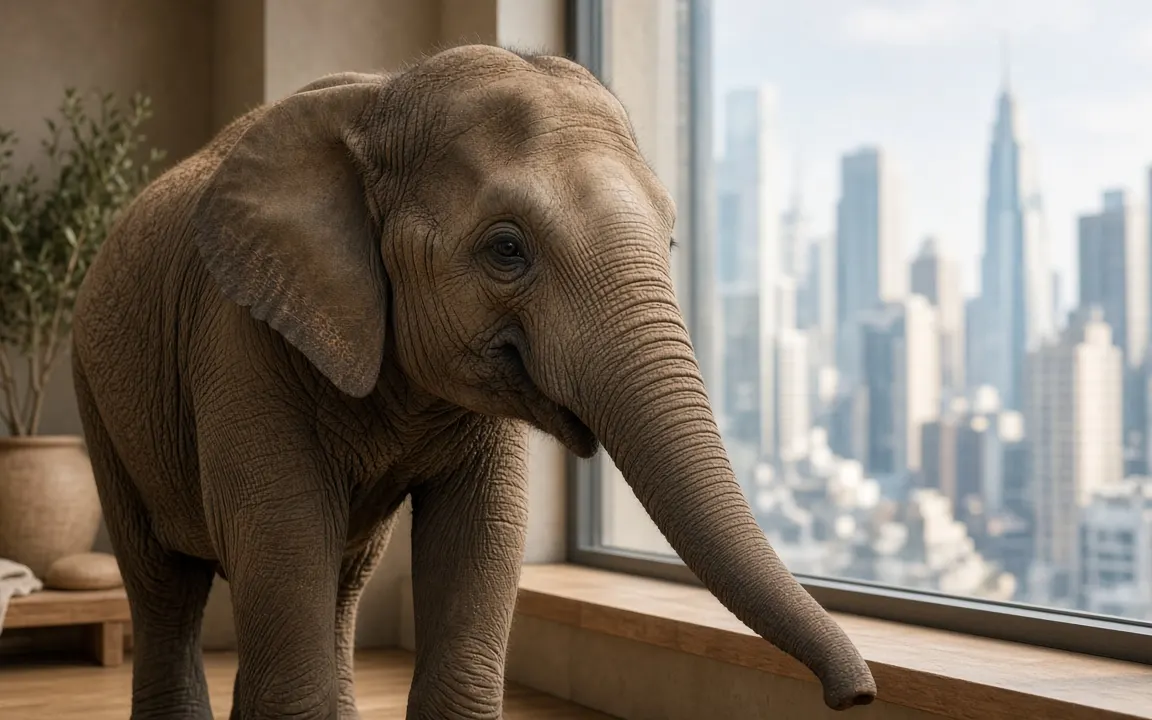
Vienna, Austria
The local picture for institutions and keepers in Vienna
Horses are part of Vienna's identity, from the carriages in the old town to riding yards on the green edges of the city, and beyond the limits Lower Austria and Burgenland have cattle, sheep, goats and pig farms among the vineyards. Petting farms and animal sanctuaries also sit within an hour's drive. If you care for a large animal around Vienna, tell providers about narrow lanes and steep yards, particularly in the Vienna Woods.
In Austria, farm livestock that dies normally goes to an authorised collection service, and ashes are not returned. A companion goat, a family horse or an animal at a sanctuary can be treated differently, but only some providers have equipment large enough to cremate it individually. Your vet or the farm's usual contacts will know who does; ask about weight limits, timescales and what the alternatives are if cremation is not possible.
Universities, natural history museums and veterinary schools around Vienna are often keen to receive bodies that zoos would otherwise cremate. A skeleton, a skin or a set of tissues can go into a teaching or research collection, and some museums will collect. That changes the aftercare plan: remains may need to be kept whole and cold rather than sectioned, and ashes may only be possible from part of the animal. Settle which requests you'll honor in your written protocol, not on the phone that day.
About 1,897,000 people live in Vienna.
$600-$1,000[1]
Cremating a 1,000-pound horse was reported to cost about $600-$1,000, depending on location and the price of propane.
3-5% of body weight[2]
Embrace notes cremated remains typically weigh about 3-5% of the pet's original body weight.
Sources for the statistics above: Extension Horses (eXtension national Cooperative Extension) and Embrace Pet Insurance.
What the human cremation rate in Austria does and doesn't tell you
Local funeral traditions shape how people grieve, but they rarely decide aftercare for a zoo or wildlife animal. In Vienna, as anywhere, the pathologist, the disease rules and the weight on the scale do most of the deciding. Local customs matter most later, when you plan how staff and visitors will remember the animal.
Planning around Vienna's climate
Local weather affects three things for zoo and wildlife aftercare: how fast a body needs cold storage, whether heavy equipment can reach it and whether burial is possible. Providers around Vienna know the seasons well, so ask them what they'd plan for at this time of year.

Budgeting aftercare for large and exotic animals in Vienna
Prices in Austria follow the same logic as elsewhere: weight, individual or collective cremation, and collection. In France, individual cremation of a 50 kg animal is listed at €300 to €400 [3], a reasonable guide for a mid-size zoo mammal. Ask for a written quote in local currency.
Prices for Vienna track the wider Austria market, so use the Austria price table as your baseline and the services page to see what is included.

Free tool
Cremation cost calculator
Estimate a realistic price range for your pet's size, location and the type of cremation.
Legal limits worth checking in Austria
For zoo and wildlife animals, rules come from several directions at once: disposal deadlines written for livestock, disease rules that follow outbreaks rather than borders, wildlife permits and, for accredited institutions, their own standards. The notes below cover what usually applies in Austria. Species under federal or international protection add their own conditions, which your compliance lead should own.
When an animal in your care dies: step by step
- Separate and bag the body and assign an intake number, using gloves and protective gear whenever disease can't be ruled out.
- Check whether the species needs reporting or testing. Birds during avian influenza outbreaks, mammals that carry rabies and cervids close to chronic wasting disease areas are the usual triggers.
- Chill or freeze routine cases in a dedicated, labeled freezer away from food and patient areas.
- Log the disposition against your permit records, including species, date and route.
- Send routine cases on your scheduled pickup, communal unless someone asked for individual cremation.
- Flag special cases, for example a protected species or a veteran of the education program, so it's handled individually and comes back with a certificate.
Remembering animals the keepers and public loved
Winter in eastern Austria can bring snow and hard frost, and summer heat on the Pannonian plain to the east can be intense. Both affect how quickly a large animal must be collected and whether a lorry can reach a field or barn. For an older cow, horse or sanctuary animal, it is worth discussing arrangements with your vet well ahead, including costs for collection, cremation and the return of ashes.
The services page is the place to compare what is included, go deeper with the guides or catch up on recent articles, or see how other readers answered in our polls, use the free tools before you ring anyone. You can also browse every city in Austria.

Reader polls
What would you choose?
Vote anonymously and see how other readers answered. The results are live counts from people who visit this site, so they show real opinions, not a scientific sample.
How do you keep chain-of-custody records for remains?
Tap an answer to vote and see how others answered. Anonymous.
How should a zoo mark the death of an animal visitors loved?
Tap an answer to vote and see how others answered. Anonymous.
If you had to decide today, which aftercare would you choose for your pet?
Tap an answer to vote and see how others answered. Anonymous.

Free tools to help you plan
Cremation cost calculator
Estimate a realistic price range for your pet's size, location and the type of cremation.

Livestock mortality planner
Plan disposal capacity and costs for farm losses, from one animal to a herd.

Ashes weight estimator
See roughly how much ash to expect back, by species and body weight.
Questions people ask
How much ash comes back from a large zoo animal?
Cremated remains typically weigh about 3-5% of body weight[2], mostly bone. A 400 lb big cat would return roughly 12 to 20 lb, and a 1,100 lb animal around 33 to 55 lb, far more than a standard urn holds. Many teams keep a portion for a memorial and scatter or bury the rest.
Can several small animals be cremated together and still be tracked?
Yes, as long as you log them individually before they go. Communal cremation means the ashes are mixed and not returned, but your records can still list every animal by intake number, species, date and route. Ask the provider for a manifest that matches your list, and flag any animal that needs individual cremation so it's kept apart.
Do we need permission to cremate a protected species?
Cremation itself isn't usually the issue; the permit is. Protected birds, marine mammals and endangered species often come with conditions about what happens to remains, and some must be offered to researchers or returned to the agency. Your compliance lead owns those permits. Ask the provider for a certificate that matches the permit record.
Can we be present for the cremation?
Some providers allow keepers or staff to attend the start of a cremation, and for a long-term resident it can mean a lot. It usually needs booking ahead and may cost more. Large-animal providers near Vienna vary widely in what they allow, so ask on the first call rather than assuming.
What should a Vienna zoo tell visitors after a well-known animal dies?
Say what you know, when you'll know more and how the animal is being cared for now. A short statement that the animal has died, that a necropsy will look for the cause and that staff are grieving is usually enough at first. Share results and memorial plans later. Tell keepers and volunteers before anything goes public.
Who handles a death after hours at a Vienna zoo or aquarium?
Whoever your protocol names. In a metro like Vienna, pet crematories and emergency services are usually reachable at night, but large-animal providers and labs often aren't. Most institutions hold the body in a cooler or refrigerated trailer overnight and move it in the morning, before visitors arrive.


Sources and our estimates
- [1] Cremating a 1,000-pound horse was reported to cost about $600-$1,000, depending on location and the price of propane. Extension Horses (eXtension national Cooperative Extension) - Horse Disposal Options, 2019, 2019.
- [2] Embrace notes cremated remains typically weigh about 3-5% of the pet's original body weight. Embrace Pet Insurance - Bury or Cremate Your Dog? Costs, Pros & Cons, 2025.
- [3] SantéVet lists French dog cremation at EUR 70-120 collective vs EUR 150-250 individual for a 20 kg dog, and EUR 130-180 vs EUR 300-400 for a 50 kg dog. SantéVet - Quel est le prix pour incinérer un chien? (updated Mar 2026), 2026.
- [4] Midpoint horse cremation cost works out to about $0.80 per pound of body weight, versus about $0.14 per pound for rendering pickup and $0.23 per pound for on-farm composting. Our estimate: cremation $800 / 1,000 lb; rendering $137.50 / 1,000 lb; composting $275 / 1,200 lb. How we calculate.
Get zoo and wildlife aftercare options for Vienna
Tell us what you need and where you are. We'll reply by email with clear options and prices so you can decide in your own time.